The Rise of Affordable ATC (Auto Tool Changer) Spindles for Hobbyist CNCers
For a long time, Auto Tool Changers (ATC) were the “holy grail” of CNC machining, reserved only for those with industrial budgets. But the landscape is shifting. Today, affordable ATC spindles are becoming a reality for hobbyists and small shop owners, revolutionizing what’s possible in a home workshop.
In this article, we explore why ATC is the next big upgrade for your CNC and how the market is becoming more accessible.
What is an ATC Spindle?
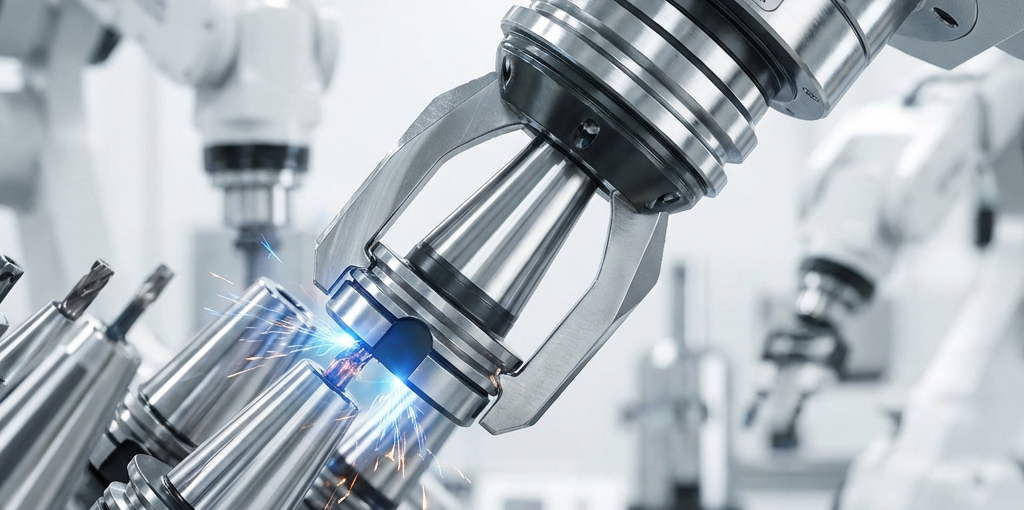
An Auto Tool Changer allows your CNC machine to switch between different cutting tools (drills, end mills, v-bits) automatically during a job. This eliminates the need for manual tool changes, which usually require pausing the machine, changing the bit, and re-zeroing the Z-axis.
Why the Hobbyist Market is Exploding
Several factors have contributed to the sudden availability of “budget-friendly” ATC systems:
- Mass Production in Asia: Manufacturers are now producing pneumatic and electric ATC spindles at a fraction of the cost of European or American counterparts.
- Standardized Tool Holders: The adoption of ISO20 and BT30 tool holders has simplified the ecosystem.
- Advanced Hobbyist Controllers: Software like Mach4, UCCNC, and Masso now have built-in support for ATC logic, making it easier for users to configure.
Benefits of Upgrading to ATC
- Uninterrupted Workflow: Start a complex 5-tool job and walk away. The machine handles everything.
- Increased Precision: Manual tool changes often introduce small Z-axis errors. ATC systems are highly repeatable.
- Time Savings: If you run jobs with multiple tools frequently, the time saved adds up to hours per week.
- Professional Results: Higher efficiency leads to more consistent finishes and the ability to take on more complex projects.
The Challenges (Still)
While the spindles are cheaper, an ATC upgrade isn’t just “plug and play.” You also need:
- A Tool Rack: Somewhere to store the tool holders.
- Pneumatic System: Most affordable ATCs require clean, dry compressed air to release the tool.
- Control Hardware: You need extra outputs on your controller to manage the drawbar and air valves.
Is It Worth It?
If you only do simple 2D cuts with a single end mill, an ATC is overkill. But if you’re making complex signs, 3D carvings, or small production runs, an ATC is the single biggest productivity boost you can give your shop.
Conclusion
The era of the manual tool change is ending for the dedicated hobbyist. With prices falling and community support growing, the “Affordable ATC” is no longer a myth—it’s the future of the home CNC workshop.