A Comprehensive Guide to CO2 Laser Focusing Lenses: Materials, Focal Lengths, and Maintenance
In the world of CO2 laser cutting and engraving, the focusing lens is one of the most critical components in the optical path. It is responsible for taking the raw laser beam and concentrating it into a tiny, high-intensity spot that can melt, vaporize, or burn through material. Choosing the right lens and maintaining it properly can significantly impact the quality of your work and the efficiency of your machine.
Understanding Lens Materials: ZnSe vs. GaAs
Most CO2 laser focusing lenses are made from one of two primary materials: Zinc Selenide (ZnSe) or Gallium Arsenide (GaAs).
1. Zinc Selenide (ZnSe)
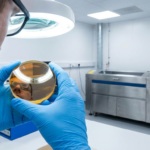
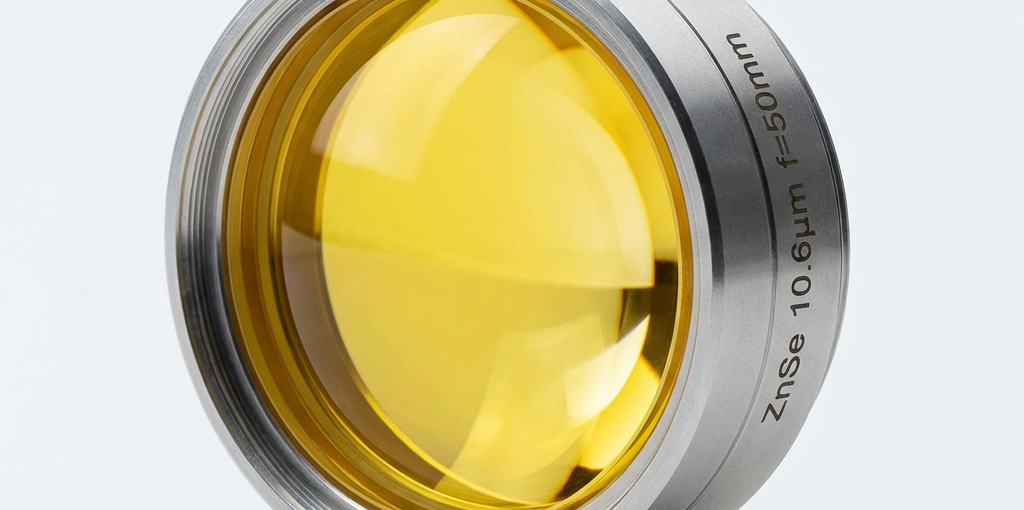
ZnSe is the most common material used for CO2 laser lenses. It has a distinctive yellow-orange color and is transparent to visible light, which allows for easier alignment using a red dot pointer.
- Pros: High transmission rate, low absorption, visible light transparency.
- Cons: Soft material, susceptible to scratches and thermal shock if not cleaned correctly.
2. Gallium Arsenide (GaAs)
GaAs lenses are opaque and often used in high-power industrial applications. They are more durable than ZnSe.
- Pros: High thermal conductivity, excellent durability in harsh environments.
- Cons: Opaque (cannot see the red dot through it), slightly higher absorption than high-quality ZnSe.
The Role of Focal Length
Focal length is the distance from the lens to the point where the beam is most tightly focused. Common focal lengths include 1.5″, 2.0″, 2.5″, and 4.0″.
| Focal Length | Best For | Spot Size | Depth of Field |
|---|---|---|---|
| 1.5″ (38.1mm) | Ultra-fine engraving, thin materials | Smallest | Shallow |
| 2.0″ (50.8mm) | General purpose cutting and engraving | Medium | Medium |
| 2.5″ (63.5mm) | Thick material cutting | Large | Deep |
| 4.0″ (101.6mm) | Extra-thick materials, foam | Largest | Deepest |
Choosing the Right Focal Length
- Short Focal Length (1.5″ – 2.0″): Provides a smaller spot size, which is ideal for high-resolution engraving and cutting thin materials (under 3mm).
- Long Focal Length (2.5″ – 4.0″): Offers a larger depth of field, allowing you to cut through thicker materials (6mm+) with straighter edges, though the spot size is slightly larger.
Maintenance and Cleaning Tips
A dirty lens can absorb laser energy, leading to overheating and even cracking. Follow these steps to keep your lens in top condition:
- Inspect Daily: Look for dust, smoke residue, or oil spatters.
- Use Proper Tools: Only use high-purity IPA (Isopropyl Alcohol) or dedicated lens cleaner and lint-free lens tissues.
- The “Drop and Drag” Method: Place a lens tissue over the lens, apply a drop of cleaner, and gently drag the tissue across the surface. Never scrub!
- Avoid Fingerprints: Always handle the lens by the edges or use finger cots.
Conclusion
The focusing lens is the “business end” of your CO2 laser. By understanding the differences between ZnSe and GaAs, selecting the appropriate focal length for your project, and committing to a regular maintenance routine, you can ensure your laser machine performs at its best for years to come.
For high-quality replacement lenses and other laser parts, visit our Laser Machine Category.